How to Prevent Shipping Label Damage During Transit
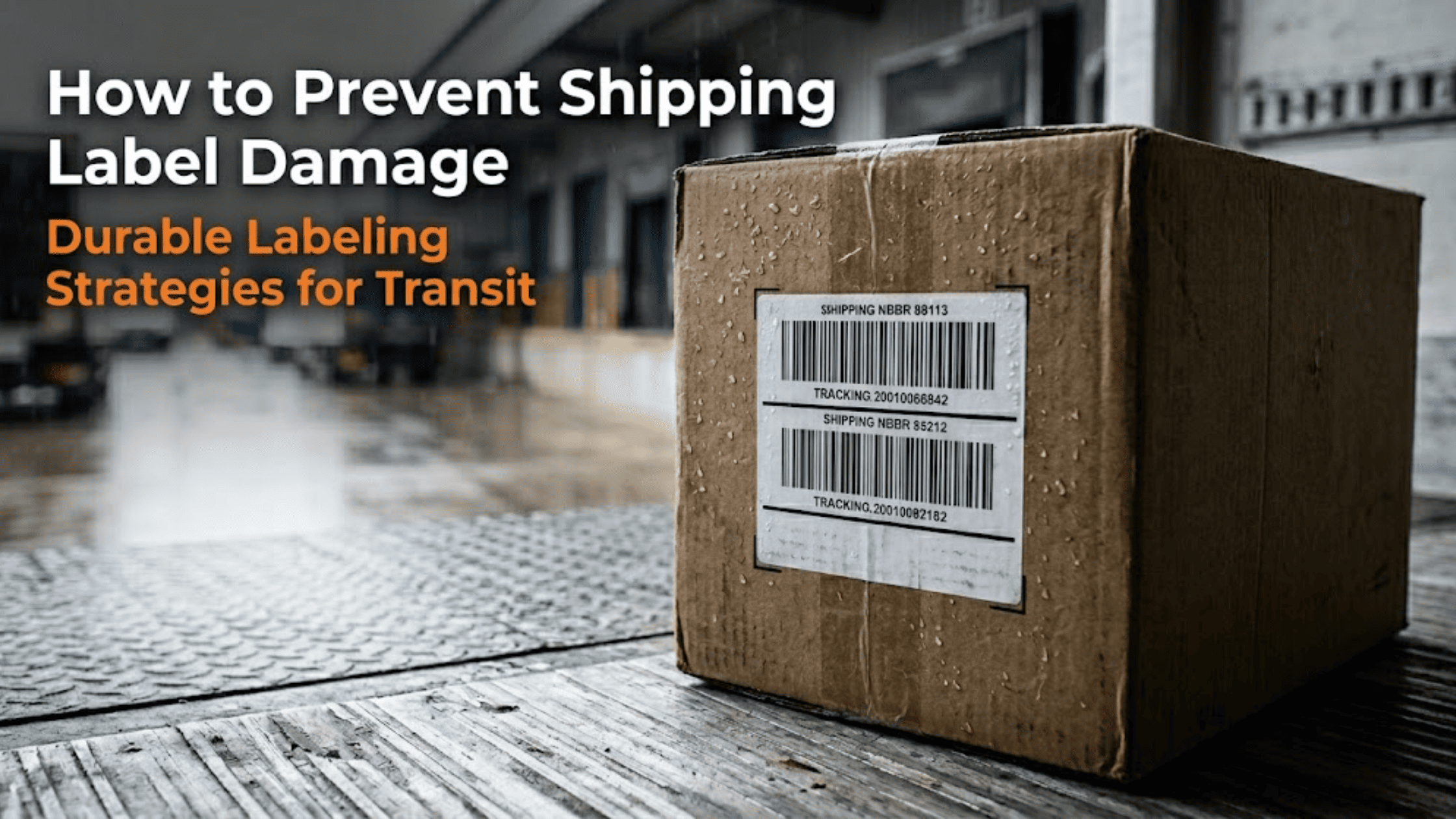
Shipping labels are essential for maintaining end-to-end supply chain visibility, ensuring that every package is tracked, routed, and delivered without disruption. When labels get damaged during transit, the impact quickly spreads across operations, leading to delivery delays, misrouting, scanning failures, and increased return handling, all of which affect customer experience and operational cost efficiency.
In high-volume logistics and e-commerce environments, even small inconsistencies in label condition can interrupt workflow accuracy. This is why durability of labels plays a critical role in modern logistics performance, where packages pass through multiple handling points and environmental conditions. In this post, we discuss common causes of shipping label damage in transit, selecting high-durability label materials, choosing the right adhesive for packaging conditions, advanced printing techniques for long-lasting labels, environmental protection and label enhancement techniques, and best practices to prevent shipping label damage during transit.
Common Causes of Shipping Label Damage in Transit
Shipping label issues usually appear during real operational movement, not at the time of application. Once packages enter the shipping cycle, multiple conditions begin affecting label readability and adhesion, gradually reducing tracking accuracy across systems.
- Moisture Exposure: Moisture exposure during rain, humidity, or condensation inside transport vehicles weakens label surfaces, causing ink bleeding and barcode distortion, leading to scanning failures across automated logistics and warehouse systems.
- Friction Damage: Friction damage occurs when packages rub continuously on conveyors, pallets, or vehicles, gradually eroding print quality, reducing barcode clarity, and increasing manual verification during logistics and distribution operations.
- Temperature Shift: Temperature shifts between warehouses, docks, and transport vehicles weaken label stability, causing curling or lifting edges, disrupting scanning accuracy and increasing misrouting risks across multi-stage supply chain movements.
- Weak Adhesion: Weak adhesion results from poor bonding or incompatible adhesives, causing labels to peel or loosen during vibration and stacking, leading to lost tracking data and reduced shipment visibility.
- Print Fading: Print fading happens due to low-quality printing or unstable inks, causing barcode blurring or disappearance under environmental stress, reducing scanning reliability, and increasing manual data entry requirements.
Selecting the Right Label Types for Shipping Conditions
Choosing the right label type plays a direct role in improving shipping label durability across different shipping environments. Each application scenario demands a specific surface performance level to maintain readability and stability.
- Gloss Surface: Gloss white labels offer high contrast printing that supports clear barcode visibility across standard logistics environments. They perform well in warehouses and shipping centers where scanning speed and accuracy are important for maintaining smooth operational flow across multiple handling stages and distribution systems.
- Semi-Gloss: Semi-gloss labels provide balanced performance between durability and print clarity. They are suitable for moderate handling environments where packages face repeated movement, offering stable readability while resisting surface wear caused by friction, stacking, and frequent handling during shipping operations.
- Matte Finish: Matte finish labels reduce glare under artificial and natural lighting conditions, improving barcode scanning accuracy. They are particularly effective in fast-paced logistics environments where quick identification is required, ensuring smoother workflow across sorting centers and high-volume distribution facilities handling multiple shipments.
- Vinyl Polyester: Vinyl and polyester labels are used in demanding logistics conditions where resistance to tearing, moisture, and abrasion is essential. They maintain strong shipping label durability during long-distance transit, heavy handling, and exposure to environmental stress across industrial shipping applications.
- Foil Labels: Foil-based labels provide enhanced surface strength and visibility for specialized shipping requirements. They are used in controlled environments where identification clarity and durability are critical, ensuring labels remain intact and readable throughout repeated handling and logistics processing cycles.
Choosing the Right Adhesive for Packaging Conditions
Adhesive performance directly influences how well packaging labels for shipping stay attached throughout the delivery process. Even strong printing fails if the label loses bonding during transit movement.
- Permanent Bond: Permanent adhesives create strong, long-lasting bonding between labels and packaging surfaces. They ensure labels remain fixed throughout transit, even under vibration, stacking pressure, and handling stress, making them suitable for long-distance shipping operations requiring consistent tracking performance.
- Removable Type: Removable adhesives allow labels to be detached without damaging packaging surfaces. They are commonly used in warehouse environments where relabeling, returns processing, or packaging reuse is required, offering flexibility while maintaining temporary identification accuracy during operational workflows.
- Freezer Grade: Freezer grade adhesives maintain bonding strength in low-temperature environments such as cold storage and refrigerated logistics. They prevent label detachment or damage caused by freezing conditions, ensuring consistent readability and tracking accuracy throughout temperature-sensitive supply chain operations.
- Surface Match: It refers to selecting adhesives compatible with packaging materials like corrugated boxes, coated cartons, or plastics. Proper matching ensures stable bonding performance, reducing risks of peeling, lifting, or detachment during transportation and warehouse handling operations.
Advanced Printing Techniques for Long-Lasting Label Performance
Printing quality directly affects operational speed and scanning accuracy. Poor print output leads to repeated scans, delays, and workflow interruptions across logistics networks.
- Thermal Transfer: Thermal transfer printing produces durable, high-contrast labels that resist smudging and abrasion. It ensures long-term barcode readability even under harsh handling conditions, making it suitable for logistics environments requiring consistent scanning accuracy across multiple supply chain stages.
- Direct Thermal: Direct thermal printing offers fast label production for high-volume shipping operations. However, it requires controlled environmental conditions to maintain print clarity as prolonged exposure to heat, light, or friction can gradually reduce readability during transit.
- Digital Print: Digital printing delivers high-resolution output with precise barcode and text clarity. It supports variable data requirements in modern logistics systems, ensuring accurate tracking, faster processing, and reduced scanning errors across automated warehouse and distribution workflows.
- Flexographic Print: Flexographic printing is used for large-scale label production, offering consistent quality across bulk batches. It is ideal for businesses handling high shipment volumes where uniform label output is essential for operational efficiency and tracking accuracy.
Environmental Protection and Label Enhancement Techniques
Environmental conditions often determine whether labels survive transit or degrade early. Protective techniques help maintain readability even under unpredictable shipping conditions.
- Lamination Layer: Lamination adds a protective layer over labels, shielding them from scratches, surface wear, and handling damage. It enhances shipping label protection by maintaining print clarity during stacking, transportation, and warehouse movement conditions.
- UV Shielding: UV shielding prevents label fading caused by prolonged sunlight exposure. It helps preserve barcode readability for shipments stored outdoors or exposed during loading and unloading activities in logistics operations.
- Anti Smudge: Anti smudge coatings prevent ink transfer caused by contact, oils, or dust accumulation. They maintain clean, readable surfaces, ensuring barcode accuracy during repeated handling and scanning processes.
- Abrasion Coat: Abrasion resistant coatings improve label durability against friction and repeated contact. They help labels survive stacking pressure and continuous movement throughout logistics handling cycles.
Best Practices to Prevent Label Damage in Operations
Operational consistency plays a major role in reducing label failures. Even high-quality labels require proper handling and application discipline to perform effectively.
- Clean Surface: Clean surface application ensures strong adhesive bonding by removing dust, oil, or moisture before label placement. This prevents early peeling and improves long-term stability during shipping and handling operations.
- Flat Area: Flat area application avoids stress caused by folds, seams, or curved surfaces. It ensures labels remain stable and readable throughout transit, reducing damage risks during movement and stacking.
- Clear Barcode: Clear barcode visibility ensures uninterrupted scanning across logistics checkpoints. Labels must remain unobstructed by tape or packaging materials to maintain accuracy in automated and manual systems.
- Roll Testing: Roll testing of roll labels for shipping ensures durability and performance reliability before bulk usage. It helps detect potential issues early, reducing operational risks in large-scale logistics workflows.
Reliable Shipping Label Solutions for Operational Accuracy
Consistent labeling performance directly improves supply chain accuracy and reduces operational delays across logistics systems. Performance Label Company offers a wide range of high-quality custom shipping labels, barcode labels, and packaging labels for shipping, helping businesses improve tracking accuracy, durability, and workflow efficiency across demanding transit environments.